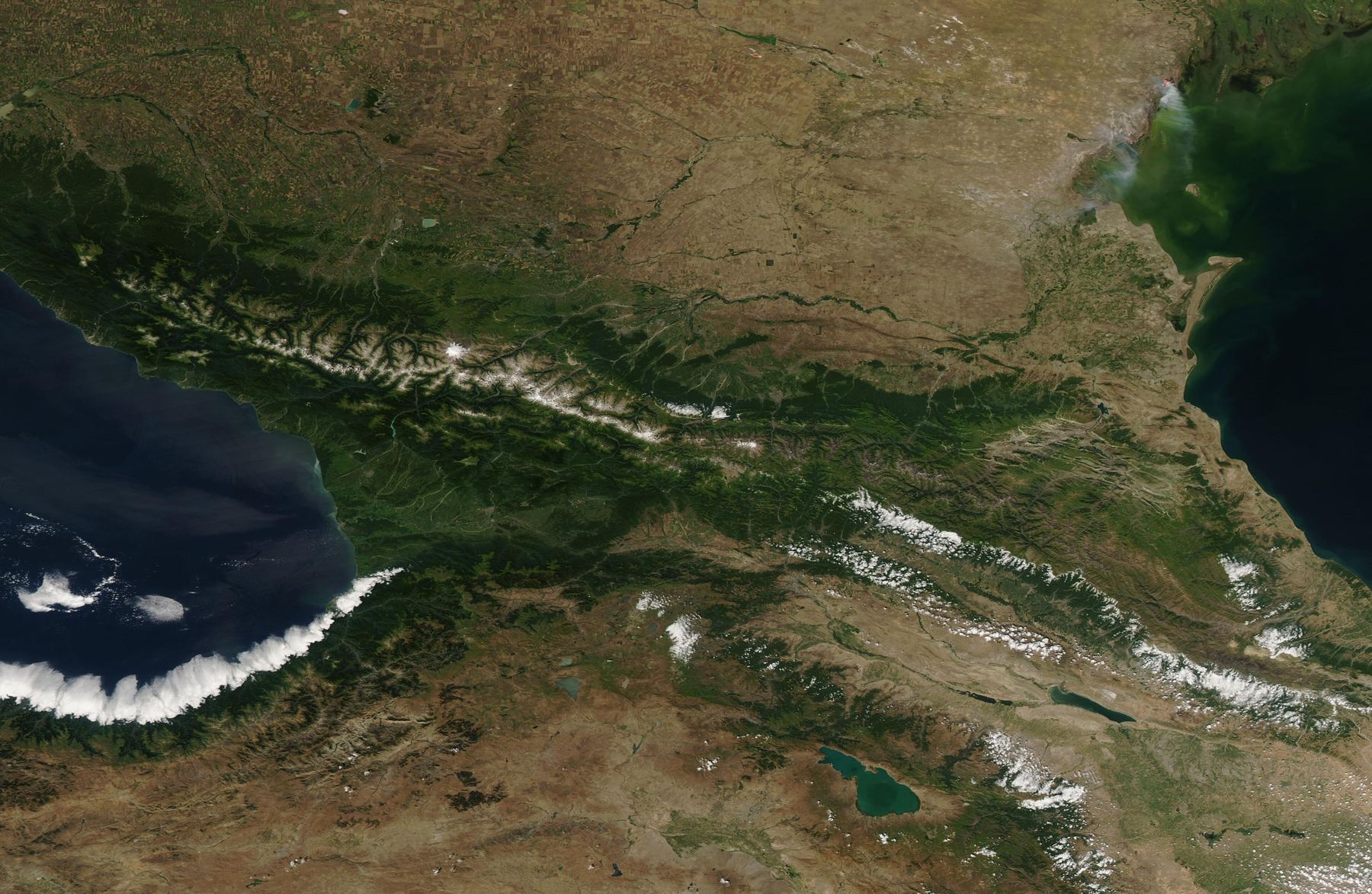
Satellite image of the Caucasus between the Black Sea and the Caspian Sea

What we study

Research Areas

The Center's research priorities span geopolitics, international relations, regional security, strategic connectivity, and the relationship between the Caucasus and wider European and Eurasian affairs.

The Center's research priorities include geopolitical developments and regional power relations, international relations and foreign policy, regional security and conflict dynamics, strategic connectivity and regional cooperation, and the relationship between the Caucasus and wider European and Eurasian affairs.

These areas are interconnected. Changes in international relations may influence regional security, while security developments may affect diplomatic engagement, regional cooperation, and strategic planning. Similarly, transport connectivity, energy relationships, and economic interactions can have implications beyond their immediate economic significance.

By examining these relationships, Caucasus Research Center seeks to encourage a more integrated understanding of regional developments and their significance for international affairs.

Satellite image of the Caucasus between the Black Sea and the Caspian Sea

01 — Research area

Geopolitics and Regional Dynamics

Geopolitics is a central area of interest for Caucasus Research Center because the region's geographical position connects it to several important political, economic, and strategic environments. The Caucasus is situated between major regional spaces and is influenced by the interests and policies of actors operating within and beyond the region.

The study of regional geopolitics requires attention to geographical factors, political relationships, strategic priorities, and the distribution of influence. It also requires an understanding of how international developments affect regional calculations and how local developments can influence broader strategic relationships.

Caucasus Research Center's interest in geopolitics includes the examination of regional power dynamics, the foreign policy priorities of relevant actors, the evolution of strategic partnerships, and the implications of changing international relationships for the Caucasus.

Research in this area may consider how regional states define their interests, how external actors engage with the region, and how diplomatic, economic, and security considerations influence political decisions. It may also examine the role of geographical position and regional connectivity in shaping international engagement.

Another important dimension is the relationship between short-term political developments and longer-term strategic trends. Diplomatic initiatives, changes in international policy, and shifts in regional relationships may have immediate consequences while also contributing to broader changes in the geopolitical environment.

Through this research area, the Center seeks to contribute to a deeper understanding of the factors influencing the regional balance and the position of the Caucasus within the international system.
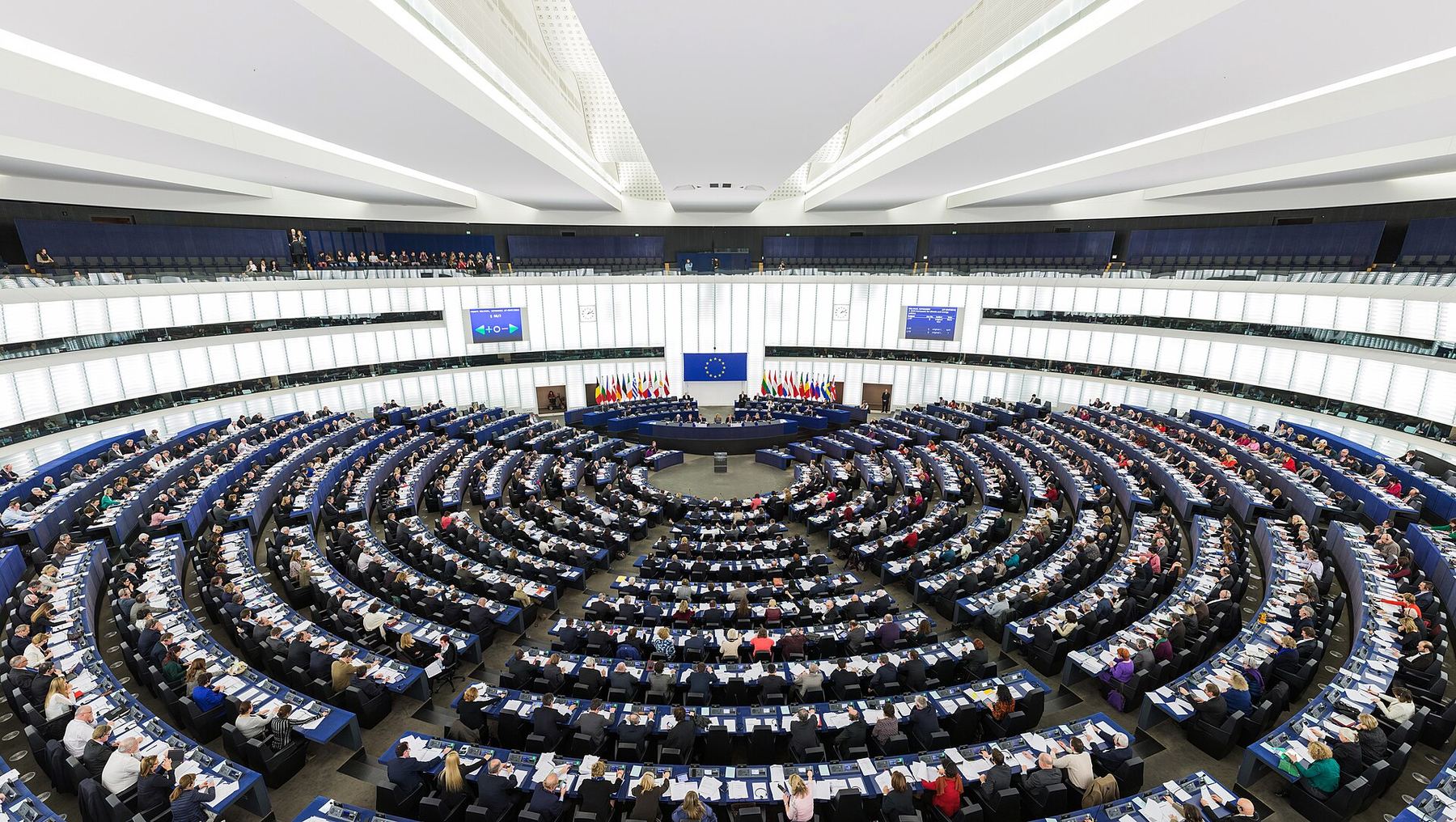
Plenary chamber of the European Parliament in Strasbourg

02 — Research area

International Relations and Foreign Policy

International relations form an essential part of the Center's research orientation. The Caucasus is connected to a broad network of diplomatic relationships involving neighboring states, regional organizations, European institutions, and other international actors.

These relationships are shaped by different political priorities, strategic interests, economic considerations, historical experiences, and security concerns. Their development can influence regional cooperation, diplomatic engagement, and the wider international position of the Caucasus.

Caucasus Research Center focuses on the analysis of international relationships and foreign policy decisions that affect the region. This includes the study of diplomatic engagement, bilateral relationships, multilateral processes, and the interaction between regional priorities and wider international strategies.

Foreign policy analysis can help explain how governments define their interests, respond to external developments, and seek to advance their strategic objectives. In the Caucasus, such analysis is particularly relevant because regional relationships are influenced by the interaction of multiple actors and overlapping international interests.

The Center's research interest also includes the role of diplomacy in managing differences, maintaining communication, and addressing complex regional issues. Diplomatic processes can provide mechanisms for negotiation and engagement even where political positions differ substantially.

The study of international relations further requires consideration of the relationship between political statements and practical policy developments. Understanding this relationship helps place individual diplomatic events within a broader analytical framework.

Through this research area, Caucasus Research Center seeks to encourage a deeper understanding of the diplomatic relationships and foreign policy considerations shaping the Caucasus and its international environment.

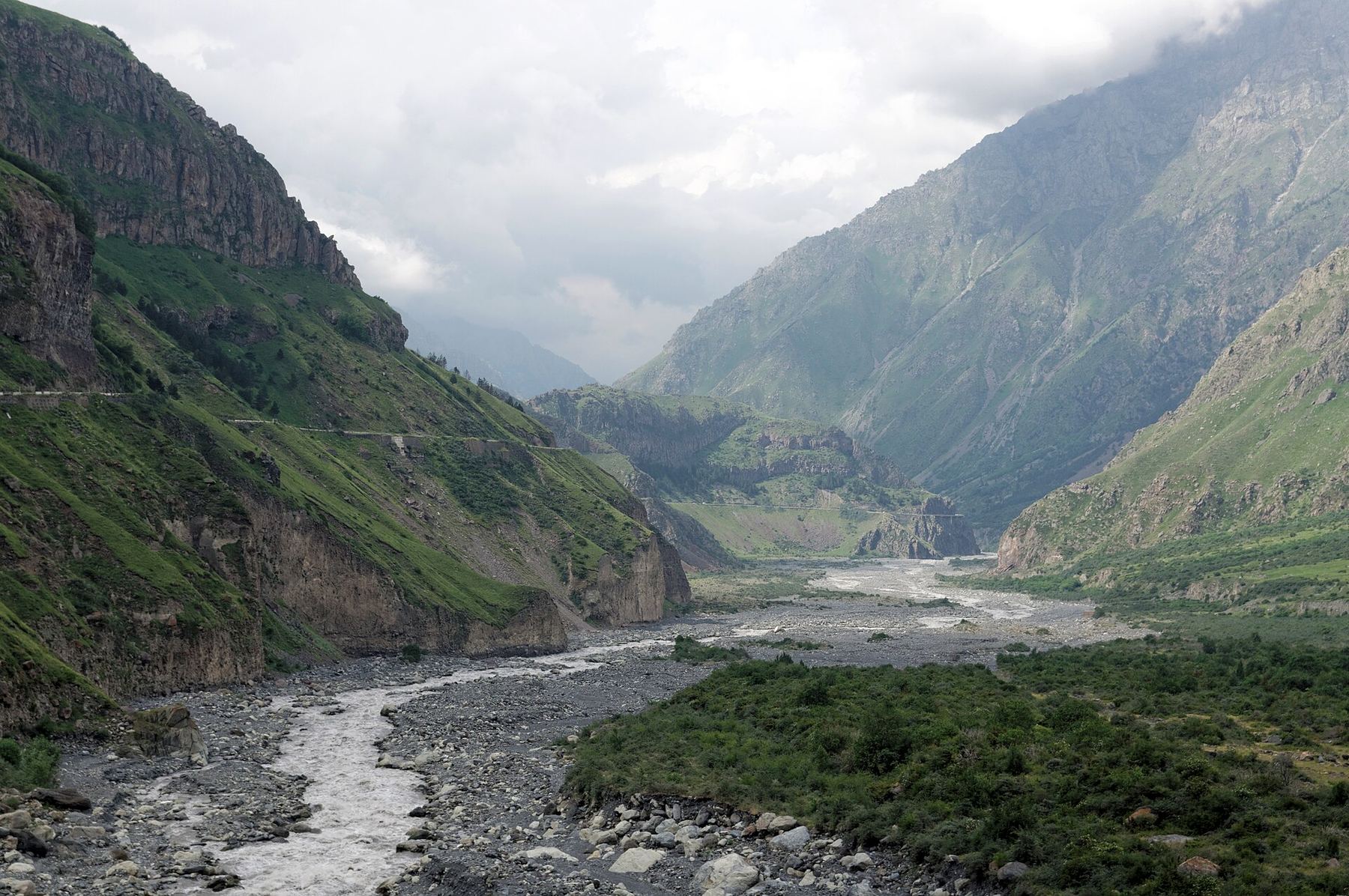
The Darial Gorge and the Terek River in the Greater Caucasus

03 — Research area

Regional Security and Conflict Dynamics

Regional security is a major area of research interest because security developments have significant implications for political stability, diplomatic relations, and the wider strategic environment of the Caucasus.

Security challenges are rarely isolated from other political processes. They can influence foreign policy decisions, affect relationships between neighboring states, shape international engagement, and create wider implications for regional cooperation. Understanding these dynamics requires attention to both immediate developments and the structural factors that influence regional security.

Caucasus Research Center's research orientation includes the study of regional security concerns, conflict dynamics, political tensions, strategic perceptions, and the role of diplomacy in addressing regional challenges.

An important aspect of security analysis is understanding how different actors perceive threats and define their security interests. These perceptions may differ according to geographical position, political priorities, historical experience, and relationships with other regional and international actors.

The Center's interest in regional security also encompasses the relationship between security policy and diplomatic engagement. Political communication, negotiations, confidence-building measures, and international cooperation can influence the management of tensions and the prospects for stability.

Another dimension involves the broader consequences of security developments. Changes in the regional security environment may affect transport connectivity, international partnerships, economic relationships, and the willingness of actors to engage in cooperative initiatives.

Research in this area seeks to provide a more comprehensive understanding of the political and strategic factors influencing regional security, while recognizing that developments must be assessed in their specific historical and international contexts.

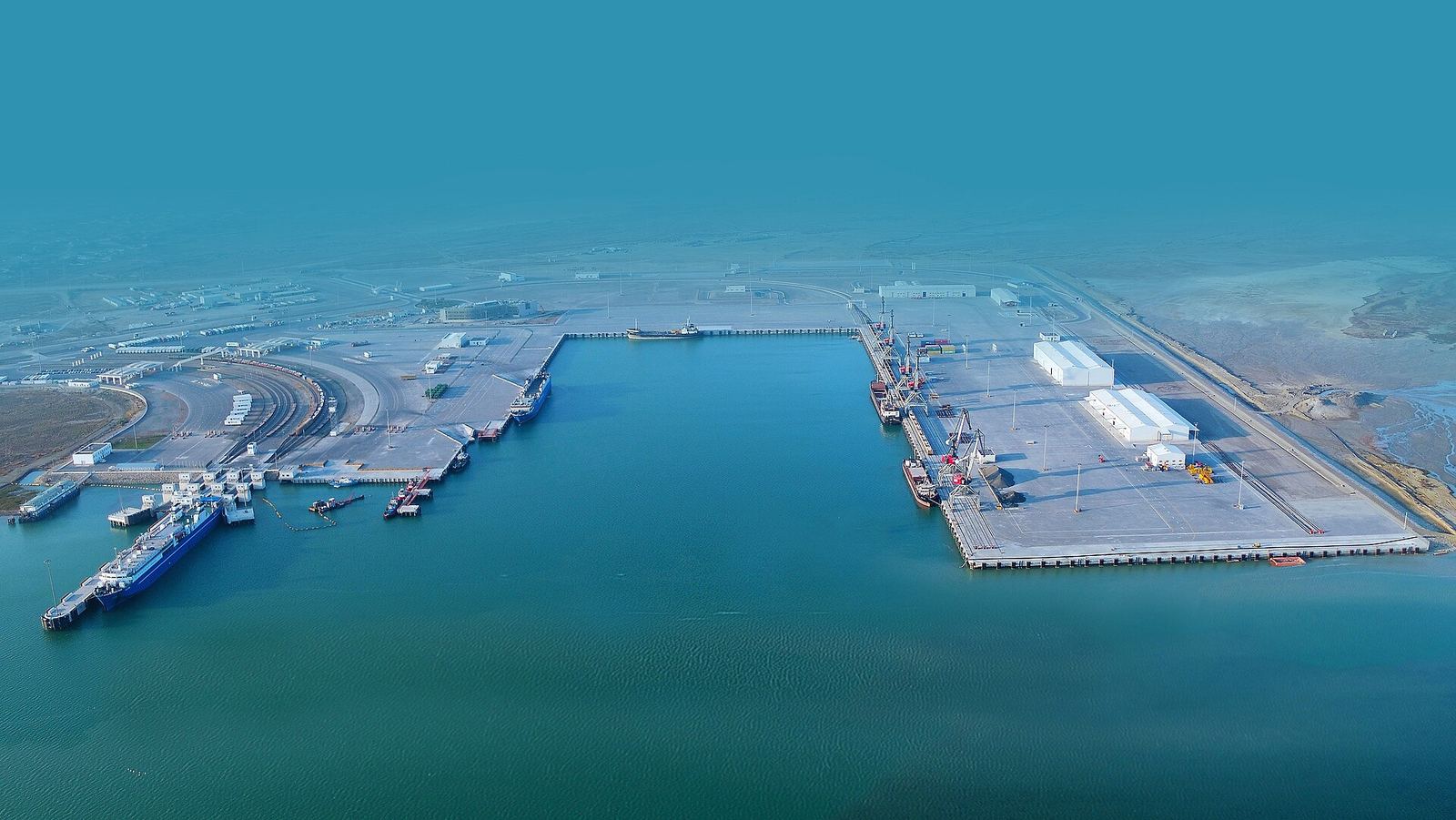
Aerial view of the Port of Baku on the Caspian Sea

04 — Research area

Strategic Connectivity and Regional Cooperation

Connectivity is an important dimension of the Caucasus's geopolitical environment. The region's position between neighboring regions gives it relevance to transport routes, trade relationships, energy connections, and broader forms of economic and strategic interaction.

Connectivity should not be understood exclusively in economic terms. Transport infrastructure, energy relationships, and trade routes may also have implications for foreign policy, regional influence, economic resilience, and security planning.

Caucasus Research Center's research interest in this area concerns the relationship between connectivity and geopolitics. This includes examining how regional infrastructure and economic relationships influence international engagement and how strategic developments affect opportunities for cooperation.

Transport corridors can connect markets and facilitate the movement of goods and people, while also creating questions concerning infrastructure, political relationships, security, and the reliability of cross-border connections.

Energy relationships can similarly influence international cooperation and strategic considerations. Their significance depends on the interaction between economic interests, infrastructure, regional relationships, and broader international developments.

Regional cooperation also involves the political and institutional conditions necessary to sustain communication and coordinated activity between different actors. Understanding these conditions requires attention to the interests of participating states, the wider international environment, and the practical challenges associated with cooperation.

Through this research area, the Center seeks to examine the ways in which connectivity and regional cooperation influence the strategic position of the Caucasus.

The Bosphorus Bridge and Ortaköy Mosque in Istanbul

05 — Research area

European and Eurasian Strategic Affairs

The Caucasus occupies a position that connects it to wider European and Eurasian political and strategic developments. Its international relationships are influenced by the policies of neighboring states, the priorities of European institutions, and broader changes in the international environment.

Understanding these relationships requires consideration of different political interests, institutional frameworks, diplomatic processes, and strategic priorities. The relationship between the Caucasus and Europe, for example, may involve political dialogue, economic interaction, regional security, and questions of connectivity. Wider Eurasian relationships introduce additional considerations concerning strategic cooperation and international influence.

Caucasus Research Center's research focus includes examining how these broader developments affect the region and how the political and strategic environment of the Caucasus interacts with international processes.

An important element of this analysis is the recognition that regional actors do not necessarily share identical priorities or approaches to international affairs. Their relationships with external partners may vary according to political objectives, economic considerations, security concerns, and national policy choices.

Research in this area may also examine how changes in international relations affect regional cooperation and the strategic options available to actors in the Caucasus.

The Center seeks to contribute to a more integrated understanding of these relationships by considering the Caucasus within its broader European and Eurasian context.

How we approach these questions

Contextual analysis, geopolitical assessment, international relations and security analysis, and comparative perspectives.

Research methodology